
Case Studies
See how our masterbatch solutions solved real production challenges for customers across diverse industries, with measurable results.
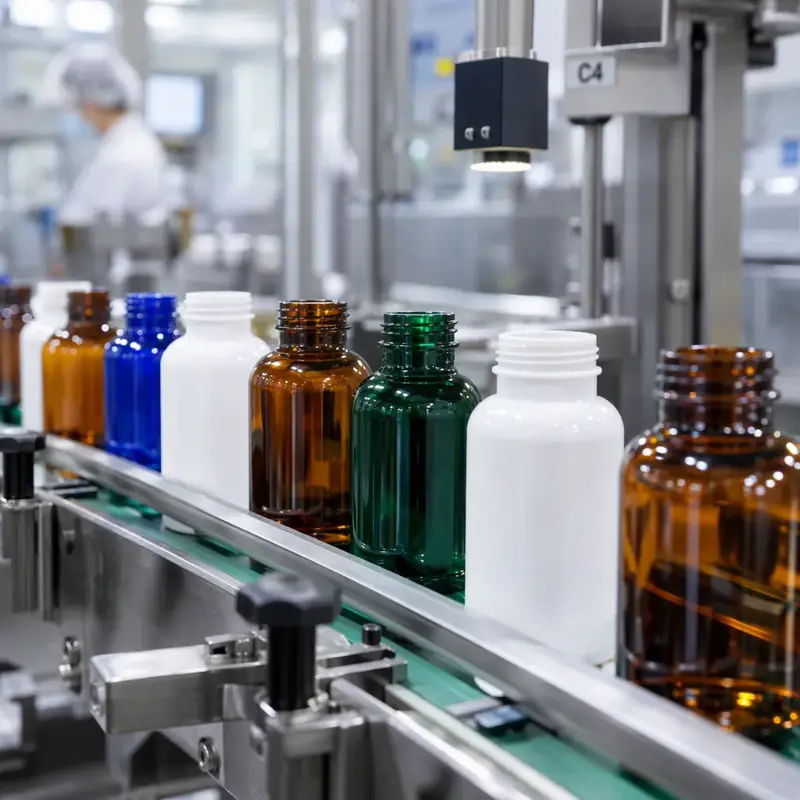
PET Bottle Color Matching
A pharmaceutical packaging company required color-coded PET and HDPE bottles that met the industry's strictest safety and traceability standards. Color was used for drug identification, so any inconsistency or compliance gap carried serious regulatory risk.
- USP Class VI biocompatibility for every color formulation
- Strict color consistency for reliable drug and dosage identification
- Full traceability documentation including drug master file (DMF) support
- Colors must withstand PET processing at 280°C without degradation
- Regulatory audits required complete, auditable quality records
Key Results
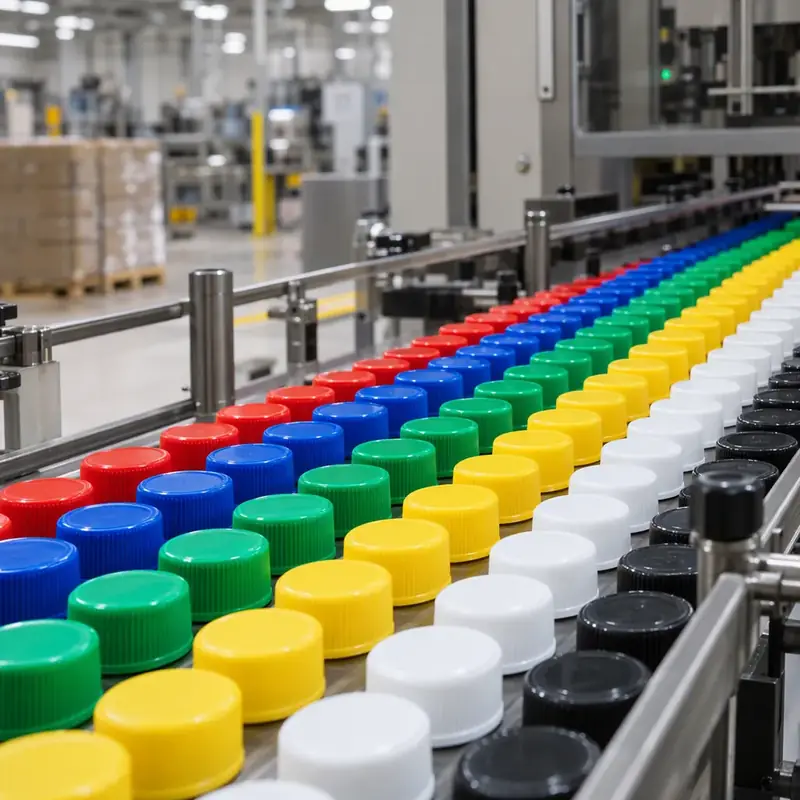
HDPE Cap Color Solutions
The client, a leading beverage packaging manufacturer, needed to color-match more than 300 distinct HDPE cap designs — each carrying its own brand-specific shade. Every cap had to be food-contact compliant and visually identical across multiple production facilities, turning a routine coloring task into a large-scale color-management challenge.
- Over 300 unique HDPE cap designs requiring individual color matching
- Strict batch-to-batch color consistency with Delta E below 1.0
- FDA food-contact compliance for every pigment and additive
- Color must remain stable through high-speed injection molding
- Fast turnaround needed to support frequent new product launches
Key Results
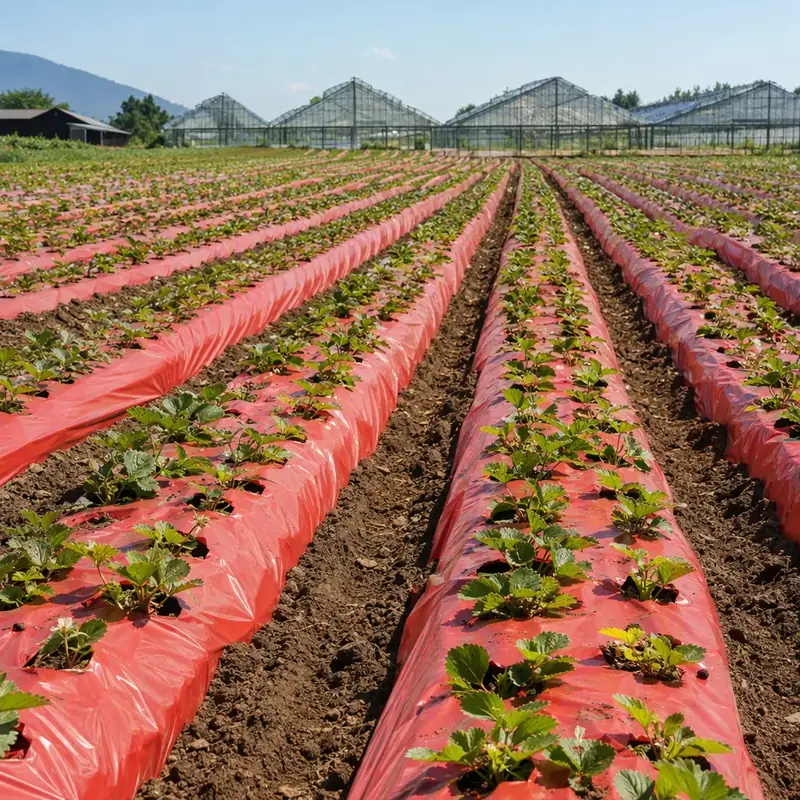
36-Month Service Life for Agricultural Mulch Film with UV Masterbatch
The client's mulch films were degrading after 12-18 months of UV exposure, requiring frequent replacement and increasing costs for farmers. They needed a UV protection solution that could extend film life to 36+ months.
Read case study →Key Results
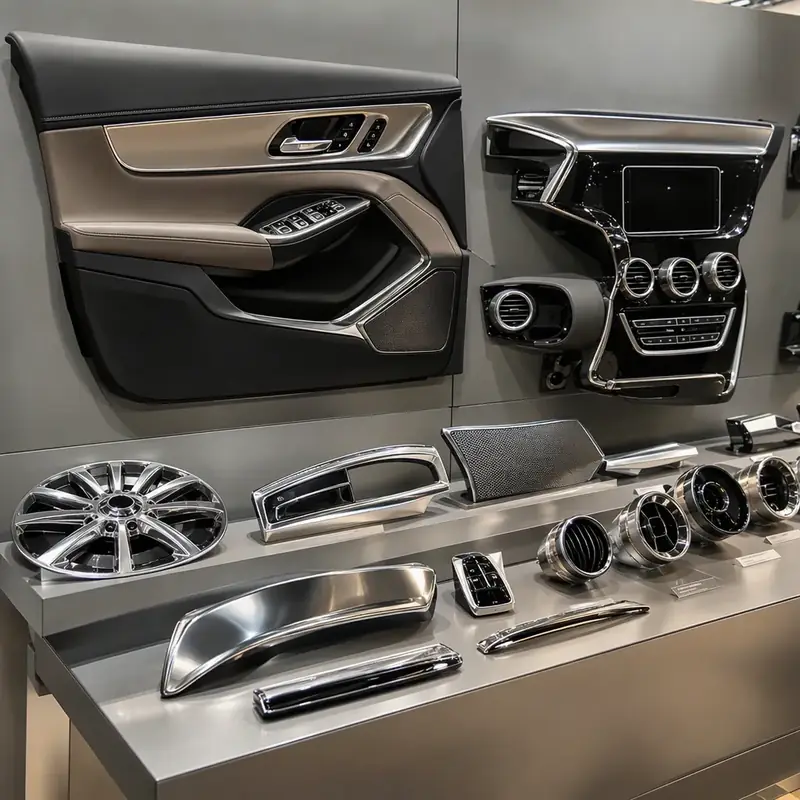
Automotive Interior Special Effects
The client was spray-painting automotive interior trim parts to achieve a premium metallic finish, a process that was slow, wasteful, and environmentally costly. Paint defects and VOC emissions were pushing costs up and jeopardizing the program's sustainability targets.
- Spray painting produced high VOC emissions and regulatory exposure
- 20% reject rate from paint defects and uneven coverage
- Long production cycle times reduced line throughput
- Metallic finish had to match across PP, ABS, and PC/ABS parts
- Need to eliminate secondary painting without sacrificing appearance